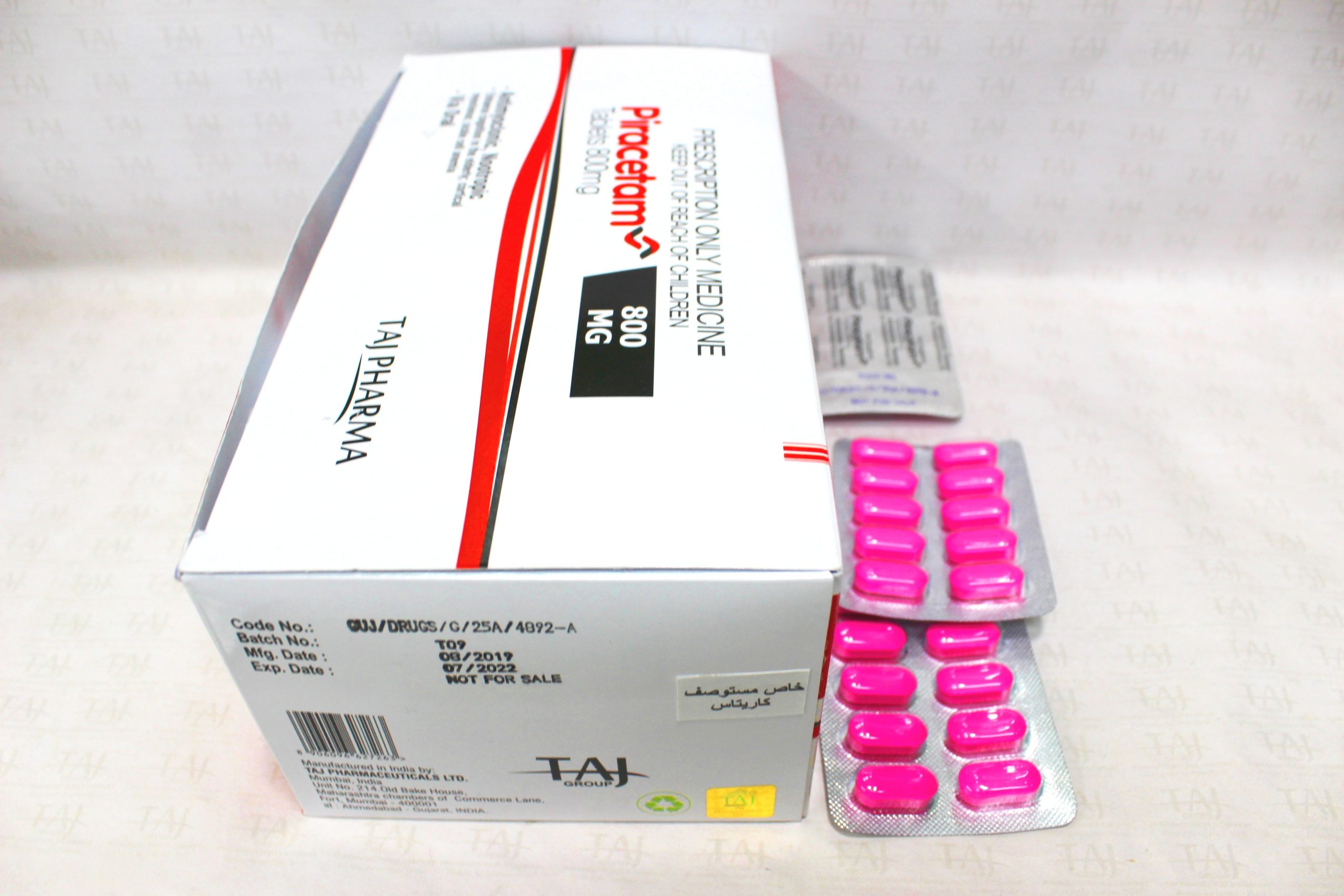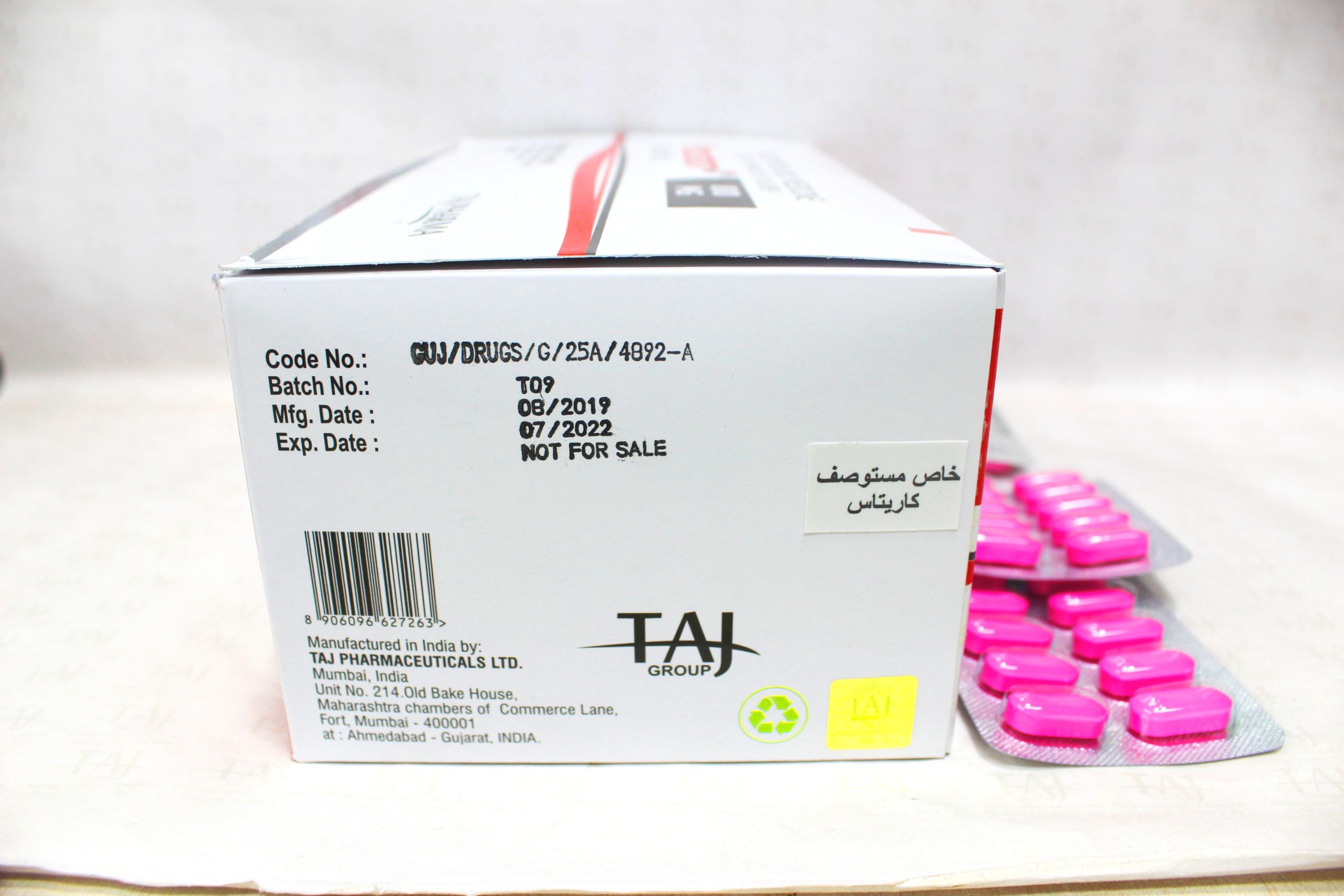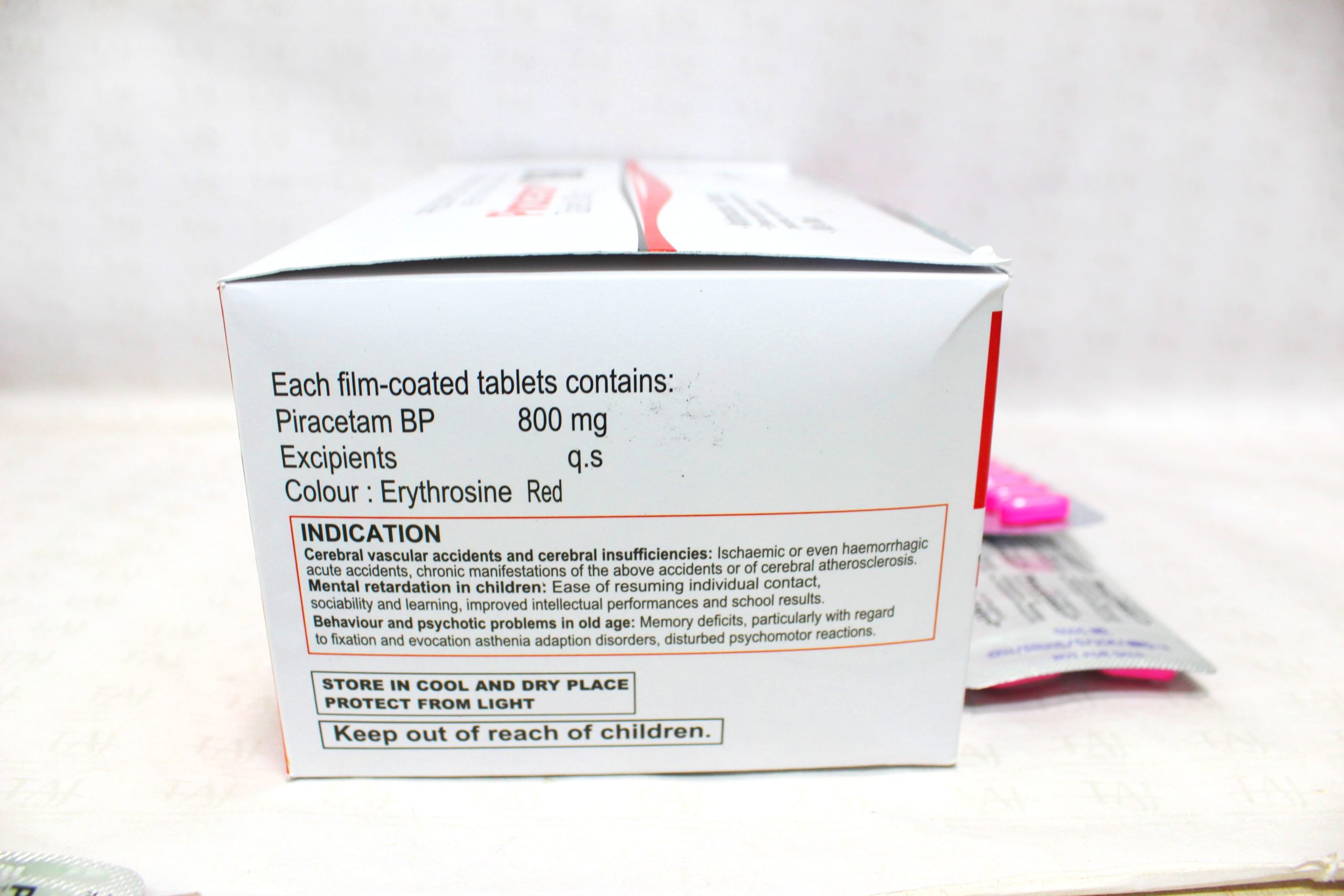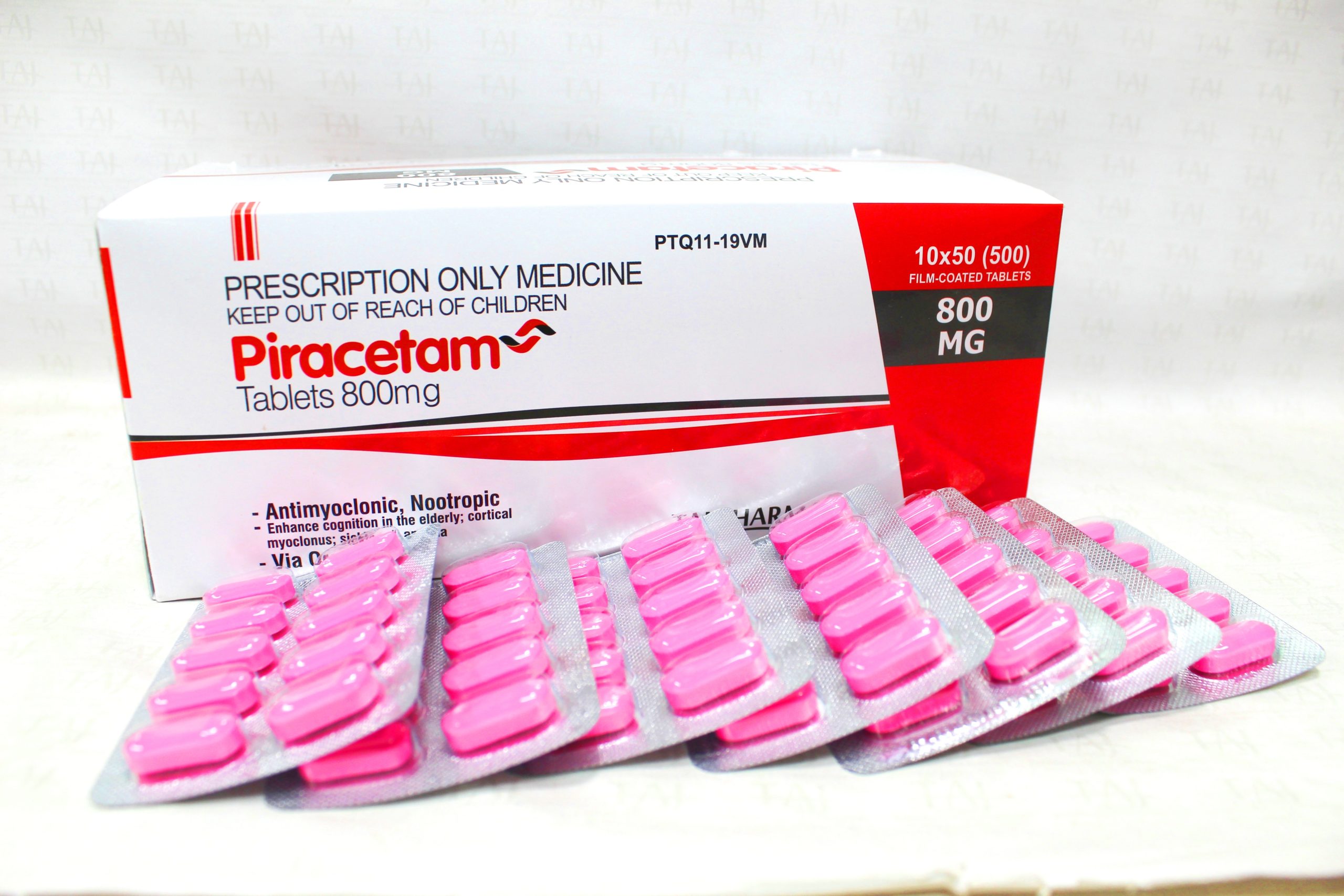
Drug form and composition :
Solution for injection. One ampoule of 5 ml contains 1 g Piracetam (200 mg/ml). Film-coated tablets. One tablet contains 400 mg of Piracetam.
Indications :
Piracetam, solution for injection is used in cases of severe brain diseases: cerebro-cranial trauma in acute stage, comatose states, ischemic stroke, acute psychic disturbances due to intoxications, alcohol delirium. Piracetam tablets are used in cerebro-vascular disease; degenerative cortical dementia (Alzheimer’s disease); senile psychoorganic syndrome (“aging brain”); cortical myoclonia; dyslexia of vascular and other origin; vestibulopathies; protection of the nervous tissue in a brain hypoxia; postoperative deliriums.
Dosage and administration :
Adults: Parenteral administration. The drug is administered intramuscularly, as a drop intravenous or as a slow intravenous infusion. The recommended 24-hours dose is 3 – 12 g (depending on the severity of the disease) which should be divided in 2-4 takes. Oral administration. Starting dose – 800 mg (2 tablets), 3 times daily. After the desired effect has been achieved the dose can be reduced to 400 mg (1 tablet), 3 times daily. Children: 400 mg 2 or 3 times daily. Administration of the drug after 04:00 h P.M. should be avoided because of its exciting action and the possibility of disturbing the night sleep of the patient. The duration of the treatment course is 2 – 3 months, but in severe cases the drug can be used for a period of 6 – 12 months.
Contraindications
First trimester of pregnancy; severe parenchymal liver or kidney diseases; agitated depression, particularly in the elderly.
Special warnings and precautions :
In patients suffering from liver diseases, a monitoring of the liver enzymes and function is necessary. In patients with renal failure, the 24-hours dose should be adjusted according to the creatinine clearance. The levels of the residual nitrogen and creatinine should be checked regularly. Because of the distribution into breast milk the breast-feeding should be discontinued for the period of the treatment.
Drug interactions :
Piracetam increases the effects of the drugs stimulating the CNS, thyroid hormones and oral anticoagulants. The concurrent administration of neuroleptics increases the risk of hyperkinesia.
Adverse reactions :
Rarely in susceptible patients can be observed the following symptoms: increased aggressiveness, headache, sleep disturbance, gastrointestinal problems, blood pressure instability.
Pharmacological mechanisms :
Piracetam is a nootropic agent. It improves the metabolic processes in the brain cells, possesses an antihypoxic action, accelerates the reparative processes in functionally damaged cells after traumas, intoxications, and stoke. Piracetam acts selectively on the telencephalon, improving its associative functions. The drug has an antiplatelet and a microcirculation ameliorating action. The therapeutic effect of Piracetam is manifested after prolonged treatment (several weeks to several months).