
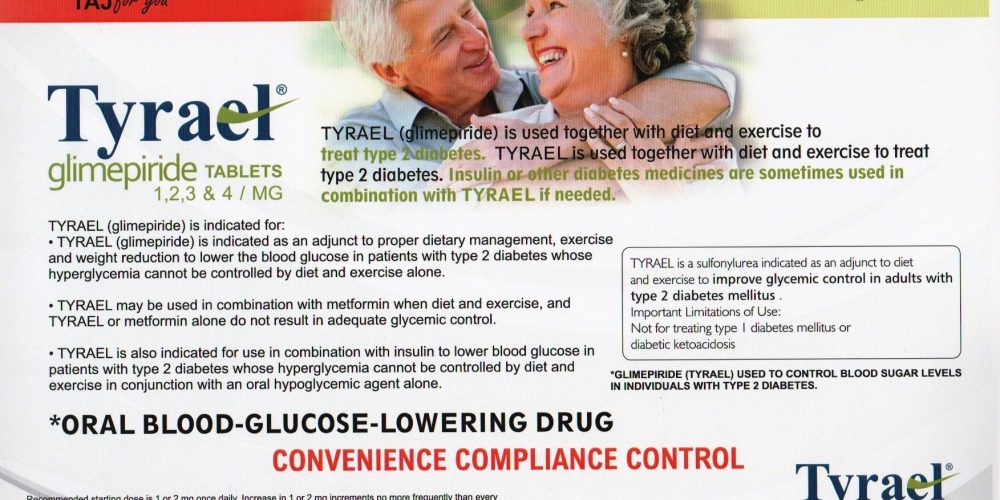
Glimepiride Tablets IP 3mg (Tyrael) Taj Pharma
Overview
INTRODUCTION OF TYRAEL TABLET
Tyrael 3mg Tablet is a medicine used to treat type 2 diabetes mellitus in adults. It belongs to a group of medicines called sulfonylureas and helps control blood sugar levels in people with diabetes. This helps to prevent serious complications of diabetes like kidney damage and blindness.
Tyrael 3mg Tablet may be used by itself or along with other medicines. It should be taken just before, or with, the first meal of the day. Take it regularly at the same time each day to get the most benefit. Your doctor will decide what dose is best for you and this may change from time to time according to how it is working.
Keep taking this medicine, even if you feel well or your blood sugar levels are controlled. If you stop it without consulting your doctor, your blood sugar levels could rise and put you at risk of kidney damage, blindness, nerve problems and loss of limbs. Remember that it is only part of a treatment program that should also include a healthy diet, regular exercise, and weight reduction as advised by your doctor. Your lifestyle plays a big part in controlling diabetes.
The most common side effects of taking this medicine include nausea, headache, and dizziness. It can also sometimes cause low blood glucose levels (hypoglycemia). Make sure you recognize the signs of having low blood glucose levels, such as sweating, dizziness, headache, and shaking and know how to deal with it. To prevent this, it’s important to have regular meals and always carry a fast-acting source of glucose such as sugary food or fruit juice with you. Drinking alcohol can also increase your risk of low blood sugar levels and should be avoided. Some people may find that they put on weight with this medicine.
You should not take it if you have type 1 diabetes mellitus, if you have diabetic ketoacidosis (high levels of acid in your blood), or if you have severe kidney or liver disease. Before taking this medicine, tell your doctor if you have ever had heart disease, thyroid disease or some hormonal conditions. It may not be suitable. Pregnant or breastfeeding women should also consult their doctor before taking it. Your blood sugar levels should be checked regularly and your doctor may also advise blood tests to monitor your blood cell counts and liver function.
USES OF TYRAEL TABLET
- Type 2 diabetes mellitus
TYRAEL TABLET SIDE EFFECTS
- Hypoglycemia (low blood sugar level)
- Nausea
- Headache
- Dizziness
HOW TO USE TYRAEL TABLET
HOW TYRAEL TABLET WORKS
TYRAEL TABLET RELATED WARNINGS
Alcohol
Pregnancy
Lactation
Monitoring of the breastfed infant’s blood glucose is advisable during maternal therapy with Tyrael 3mg Tablet
Driving
Kidney
Use of Tyrael 3mg Tablet is not recommended in patients with severe kidney disease. These patients can experience very low blood sugar levels which may become normal after a long time.
Liver
Use of Tyrael 3mg Tablet is not recommended in patients with severe liver disease. These patients can experience very low blood sugar levels which may become normal after a long time.
WHAT IF YOU MISS A DOSE OF TYRAEL TABLET?
Glimepiride Tablets IP 3mg (Tyrael) Taj Pharma
- Name of the medicinal product
Glimepiride Tablets IP 1mg (Tyrael) Taj Pharma
Glimepiride Tablets IP 2mg (Tyrael) Taj Pharma
Glimepiride Tablets IP 3mg (Tyrael) Taj Pharma
Glimepiride Tablets IP 4mg (Tyrael) Taj Pharma
- Qualitative and quantitative composition
a) Each uncoated tablet contains:
Glimepiride IP 1mg
Excipients q.s.
b) Each uncoated tablet contains:
Glimepiride IP 2mg
Excipients q.s.
c) Each uncoated tablet contains:
Glimepiride IP 3mg
Excipients q.s.
d) Each uncoated tablet contains:
Glimepiride IP 4mg
Excipients q.s.
For the full list of excipients, see section 6.1.
- Pharmaceutical form
Tablet
- Clinical particulars
4.1 Therapeutic indications
Glimepiride is indicated for the treatment of type 2 diabetes mellitus, when diet, physical exercise and weight reduction alone are not adequate.
4.2 Posology and method of administration
For oral administration.
The basis for successful treatment of diabetes is a good diet, regular physical activity, as well as routine checks of blood and urine. Tablets or insulin cannot compensate if the patient does not keep to the recommended diet.
Posology
The dosage is determined by the results of blood and urinary glucose determinations.
The starting dose is 1mg glimepiride per day. If good control is achieved, this dosage should be used for maintenance therapy.
For the different dosage regimens appropriate strengths are available.
If control is unsatisfactory, the dosage should be increased, based on the glycaemic control, in a stepwise manner with an interval of about 1 to 2 weeks between each step, to 2, 3, or 4 mg glimepiride per day.
A dosage of more than 4mg glimepiride per day gives better results only in exceptional cases.
The maximum recommended dose is 6mg glimepiride per day.
In patients not adequately controlled with the maximum daily dose of metformin, concomitant glimepiride therapy can be initiated. While maintaining the metformin dose, the glimepiride therapy is started with a low dose, and is then titrated up depending on the desired level of metabolic control up to the maximum daily dose. The combination therapy should be initiated under close medical supervision.
In patients not adequately controlled with the maximum daily dose of glimepiride, concomitant insulin therapy can be initiated if necessary. While maintaining the glimepiride dose, insulin treatment is started at a low dose and titrated up depending on the desired level of metabolic control. The combination therapy should be initiated under close medical supervision.
Normally a single daily dose of glimepiride is sufficient. It is recommended that this dose be taken shortly before or during a substantial breakfast or – if none is taken – shortly before or during the first main meal. If a dose is forgotten, this should not be corrected by increasing the next dose.
If a patient has a hypoglycaemic reaction on 1 mg glimepiride daily, this indicates that they can be controlled by diet alone.
In the course of treatment, as an improvement in control of diabetes is associated with higher insulin sensitivity, glimepiride requirements may fall. To avoid hypoglycaemia timely dose reduction or cessation of therapy must therefore be considered. Change in dosage may also be necessary if there are changes in weight or life style of the patient, or other factors that increase the risk of hypo- or hyperglycaemia.
Switch over from other oral hypoglycaemic agents to glimepiride
A switch over from other oral hypoglycaemic agents to glimepiride can generally be done. For the switch over to glimepiride the strength and the half-life of the previous medicinal product has to be taken into account. In some cases, especially in antidiabetics with a long half-life (e.g. chlorpropamide), a wash out period of a few days is advisable in order to minimise the risk of hypoglycaemic reactions due to the additive effect.
The recommended starting dose is 1 mg glimepiride per day. Based on the response the glimepiride dosage may be increased stepwise, as indicated earlier.
Switch over from insulin to glimepiride
In exceptional cases, where type 2 diabetic patients are regulated on insulin, a changeover to glimepiride may be indicated. The changeover should be undertaken under close medical supervision.
Special Populations
Patients with renal or hepatic impairment
See section 4.3.
Paediatric population
There are no data available on the use of glimepiride in patients under 8 years of age. For children aged 8 to 17 years, there are limited data on glimepiride as monotherapy (see sections 5.1 and 5.2).
The available data on safety and efficacy are insufficient in the paediatric population and therefore such use is not recommended.
Method of administration
Tablets should be swallowed without chewing with some liquid.
4.3 Contraindications
Glimepiride is contraindicated in patients with the following conditions:
– hypersensitivity to glimepiride, other sulfonylureas or sulfonamides or to any of the excipients listed in section 6.1.
– insulin dependent diabetes
– diabetic coma
– ketoacidosis
– severe renal or hepatic function disorders.
In case of severe renal or hepatic function disorders, a change-over to insulin is required.
4.4 Special warnings and precautions for use
Glimepiride must be taken shortly before or during a meal.
When meals are taken at irregular hours or skipped altogether, treatment with ”Glimepiride Tablets” may lead to hypoglycaemia. Possible symptoms of hypoglycaemia include: headache, ravenous hunger, nausea, vomiting, lassitude, sleepiness, disordered sleep, restlessness, aggressiveness, impaired concentration, alertness and reaction time, depression, confusion, speech and visual disorders, aphasia, tremor, paresis, sensory disturbances, dizziness, helplessness, loss of self-control, delirium, cerebral convulsions, somnolence and loss of consciousness up to and including coma, shallow respiration and bradycardia. In addition, signs of adrenergic counter-regulation may be present such as sweating, clammy skin, anxiety, tachycardia, hypertension, palpitations, angina pectoris and cardiac arrhythmias.
The clinical picture of a severe hypoglycaemic attack may resemble that of a stroke.
Symptoms can almost always be promptly controlled by immediate intake carbohydrates (sugar). Artificial sweeteners have no effect.
It is known from other sulfonylureas that, despite initially successful countermeasures, hypoglycaemia may recur.
Severe hypoglycaemia or prolonged hypoglycaemia, only temporarily controlled by the usual amounts of sugar, require immediate medical treatment and occasionally hospitalisation.
Factors favouring hypoglycaemia include:
– unwillingness or (more commonly in older patients) incapacity of the patient to cooperate
– undernutrition, irregular mealtimes or missed meals or periods of fasting
– alterations in diet
– imbalance between physical exertion and carbohydrate intake
– consumption of alcohol, especially in combination with skipped meals
– impaired renal function
– serious liver dysfunction
– overdosage with Glimepiride Tablets
– certain uncompensated disorders of the endocrine system affecting carbohydrate metabolism or counter regulation of hypoglycaemia (as for example in certain disorders of thyroid function and in anterior pituitary or adrenocortical insufficiency)
– concurrent administration of certain other medicinal products (see section 4.5)
Treatment with glimepiride tablets requires regular monitoring of glucose levels in blood and urine. In addition determination of the proportion of glycosylated haemoglobin is recommended.
Regular hepatic and haematological monitoring (especially leucocytes and thrombocytes) are required during treatment with glimepiride tablets
In stress-situations (e.g. accidents, acute operations, infections with fever etc) a temporary switch to insulin may be indicated.
No experience has been gained concerning the use of glimepiride tablets in patients with severe impairment of liver function or dialysis patients. In patients with severe impairment of renal or liver function change over to insulin is indicated.
Treatment of patients with G6PD-deficiency with sulfonylurea agents can lead to hemolytic anaemia. Since glimepiride belongs to the class of sulfonylurea agents, caution should be used in patients with G6PD-deficiency and a non-sulfonylurea alternative should be considered.
Glimepiride Tablets contains lactose monohydrate. Patients with rare hereditary problems of galactose intolerance, the Lapp lactase deficiency or glucose-galactose malabsorption should not take this medicine.
4.5 Interaction with other medicinal products and other forms of interaction
If glimepiride is taken simultaneously with certain other medicinal products, both undesired increases and decreases in the hypoglycaemic action of glimepiride can occur. For this reason, other medicinal products should only be taken with the knowledge (or at the prescription) of the doctor.
Glimepiride is metabolized by cytochrome P450 2C9 (CYP2C9). Its metabolism is known to be influenced by concomitant administration of CYP2C9 inducers (e.g. rifampicin) or inhibitors (e.g. fluconazole).
Results from an in-vivo interaction study reported in literature show that glimepiride AUC is increased approximately 2-fold by fluconazole, one of the most potent CYP2C9 inhibitors.
Based on the experience with glimepiride and with other sulfonylureas, the following interactions have to be mentioned.
Potentiation of the blood-glucose-lowering effect and, thus in some instances hypoglycaemia may occur when one of the following medicinal products is taken, for example:
– phenylbutazone, azapropazone and oxyfenbutazone,
– insulin and oral antidiabetic products, such as metformin,
– salicylates and p-amino-salicylic acid,
– anabolic steroids and male sex hormones,
– chloramphenicol, certain long acting sulfonamides, tetracyclines, quinolone antibiotics and clarithromycin,
– coumarin anticoagulants,
– fenfluramine,
– disopyramide,
– fibrates,
– ACE inhibitors,
– fluoxetine, MAO-inhibitors,
– allopurinol, probenecid sulfinpyrazone,
– sympatholytics,
– cyclophosphamide, trophosphamide and iphosphamides,
– miconazole, fluconazole,
– pentoxifylline (high dose parenteral),
– tritoqualine
Weakening of the blood-glucose-lowering effect and, thus raised blood glucose levels may occur when one of the following medicinal products is taken for example:
– oestrogens and progestogens
– saluretics, thiazide diuretics
– thyroid stimulating agents, glucocorticoids
– phenothiazine derivatives, chlorpromazine
– adrenaline and sympathicomimetics
– nicotinic acid (high dosages) and nicotinic acid derivatives
– laxatives (long term use)
– phenytoin, diazoxide
– glucagon, barbiturates and rifampicin
– acetazolamide
H2 antagonists, beta-blockers, clonidine and reserpine may lead to either potentiation or weakening of the blood-glucose-lowering effect.
Under the influence of sympatholytic medicinal products such as beta-blockers, clonidine, guanethidine and reserpine, the signs of adrenergic counter-regulation to hypoglycaemia may be reduced or absent.
Alcohol intake may potentiate or weaken the hypoglycaemic action of glimepiride in an unpredictable fashion.
Glimepiride may either potentiate or weaken the effects of coumarin derivatives.
Colesevelam binds to glimepiride and reduces glimepiride absorption from the gastro-intestinal tract. No interaction was observed when glimepiride was taken at least 4 hours before colesevelam. Therefore, glimepiride should be administered at least 4 hours prior to colesevelam.
4.6 Fertility ,pregnancy and lactation
Pregnancy
Risk related to the diabetes
Abnormal blood glucose levels during pregnancy are associated with a higher incidence of congenital abnormalities and perinatal mortality. So the blood glucose level must be closely monitored during pregnancy in order to avoid the teratogenic risk. The use of insulin is required under such circumstances. Patients who consider pregnancy should inform their physician.
Risk related to glimepiride
There are no adequate data from the use of glimepiride in pregnant women. Animal studies have shown reproductive toxicity which likely was related to the pharmacologic action (hypoglycaemia) of glimepiride (see section 5.3).
Consequently, glimepiride should not be used during the whole pregnancy. In case of treatment by glimepiride, if the patient plans to become pregnant or if a pregnancy is discovered, the treatment should be switched as soon as possible to insulin therapy.
Lactation
The excretion in human milk is unknown. Glimepiride is excreted in rat milk. As other sulfonylureas are excreted in human milk and because there is a risk of hypoglycaemia in nursing infants, breast-feeding is advised against during treatment with glimepiride.
4.7 Effects on ability to drive and use machines
No studies on the effects on the ability to drive and use machines have been performed.
The patient’s ability to concentrate and react may be impaired as a result of hypoglycaemia or hyperglycaemia or, for example, as a result of visual impairment. This may constitute a risk in situations where these abilities are of special importance (e.g. driving a car or operating machinery).
Patients should be advised to take precautions to avoid hypoglycaemia whilst driving. This is particularly important in those who have reduced or absent awareness of the warning symptoms of hypoglycaemia or have frequent episodes of hypoglycaemia. It should be considered whether it is advisable to drive or operate machinery in these circumstances.
4.8 Undesirable effects
The following adverse reactions from clinical investigations were based on experience with glimepiride and other sulfonylureas, were listed below by system organ class and in order of decreasing incidence (very common: ≥1/10; common: ≥1/100 to <1/10; uncommon: ≥1/1,000 to < 1/100; rare: ≥1/10,000 to <1/1,000; very rare: < 1/10,000), not known (cannot be estimated from the available data).
Blood and lymphatic system disorders
Rare: thrombocytopenia, leukopenia, granulocytopenia, agranulocytosis, erythropenia, haemolytic anaemia and pancytopenia, which are in general reversible upon discontinuation of medication.
Not known: severe thrombocytopenia with platelet count less than 10,000/µl and thrombocytopenic purpura.
Immune system disorders
Very rare: leukocytoclastic vasculitis, mild hypersensitivity reactions that may develop into serious reactions with dyspnoea, fall in blood pressure and sometimes shock.
Not known: cross-allergenicity with sulfonylureas, sulfonamides or related substances is possible.
Metabolism and nutrition disorders
Rare: hypoglycaemia.
These hypoglycaemic reactions mostly occur immediately, may be severe and are not always easy to correct. The occurrence of such reactions depends, as with other hypoglycaemic therapies, on individual factors such as dietary habits and dosage (see further under section 4.4).
Eye disorders
Not known: visual disturbances, transient, may occur especially on initiation of treatment, due to changes in blood glucose levels.
Gastrointestinal disorders
Very rare: nausea, vomiting, diarrhoea, abdominal distension, abdominal discomfort and abdominal pain, which seldom lead to discontinuation of therapy.
Hepato-biliary disorders
Very rare: hepatic function abnormal (e.g. with cholestasis and jaundice), hepatitis and hepatic failure.
Not known: hepatic enzymes increased.
Skin and subcutaneous tissue disorders
Not known: hypersensitivity reactions of the skin may occur as pruritus, rash, urticaria and photosensitivity.
Investigations
Very rare: blood sodium decrease.
Reporting of suspected adverse reactions
Reporting suspected adverse reactions after authorisation of the medicinal product is important. It allows continued monitoring of the benefit/risk balance of the medicinal product
4.9 Overdose
Symptoms
After ingestion of an overdosage hypoglycaemia may occur, lasting from 12 to 72 hours, and may recur after an initial recovery. Symptoms may not be present for up to 24 hours after ingestion. In general observation in hospital is recommended. Nausea, vomiting and epigastric pain may occur. The hypoglycaemia may in general be accompanied by neurological symptoms like restlessness, tremor, visual disturbances, co-ordination problems, sleepiness, coma and convulsions.
Management
Treatment primarily consists of preventing absorption by inducing vomiting and then drinking water or lemonade with activated charcoal (adsorbent) and sodium-sulphate (laxative). If large quantities have been ingested gastric lavage is indicated, followed by activated charcoal and sodium-sulphate. In case of (severe) overdosage hospitalisation in an intensive care department is indicated. Start the administration of glucose as soon as possible, if necessary by a bolus intravenous injection of 50 ml of a 50% solution, followed by an infusion of a 10% solution with strict monitoring of blood glucose. Further treatment should be symptomatic.
In particular when treating hypoglycaemia due to accidental intake of glimepiride in infants and young children, the dose of glucose given must be carefully controlled to avoid the possibility of producing dangerous hyperglycaemia. Blood glucose should be closely monitored.
- Pharmacological properties
5.1 Pharmacodynamic properties
| Pharmacotherapeutic group | : Blood glucose lowering drugs, excl. insulins: Sulfonamides, urea derivatives |
Glimepiride is an orally active hypoglycaemic substance belonging to the sulphonylurea group. It may be used in non-insulin dependent (type 2) diabetes mellitus.
Glimepiride acts mainly by stimulating insulin release from pancreatic beta cells. As with other sulfonylureas this effect is based on an increase of responsiveness of the pancreatic beta cells to the physiological glucose stimulus. In addition, glimepiride seems to have pronounced extrapancreatic effects also postulated for other sulfonylureas.
Insulin release:
Sulfonylureas regulate insulin secretion by closing the ATP-sensitive potassium channel in the beta cell membrane. Closing the potassium channel induces depolarisation of the beta cell and results -by opening of calcium channels – in an increased influx of calcium into the cell. This leads to insulin release through exocytosis.
Glimepiride binds with a high exchange rate to a beta cell membrane protein which is associated with the ATP-sensitive potassium channel but which is different from the usual sulfonylureas binding site.
Extrapancreatic activity
The extrapancreatic effects are for example an improvement of the sensitivity of the peripheral tissue for insulin and a decrease of the insulin uptake by the liver.
The uptake of glucose from blood into peripheral muscle and fat tissues occurs via special transport proteins, located in the cells membrane. The transport of glucose in these tissues is the rate limiting step in the use of glucose. Glimepiride increases very rapidly the number of active glucose transport molecules in the plasma membranes of muscle and fat cells, resulting in stimulated glucose uptake.
Glimepiride increases the activity of the glycosyl-phosphatidylinositol-specific phospholipase C, which may be correlated with the drug-induced lipogenesis and glycogenesis in isolated fat and muscle cells.
Glimepiride inhibits the glucose production in the liver by increasing the intracellular concentration of fructose-2,6-bisphosphate, which in its turn inhibits the gluconeogenesis.
General
In healthy persons, the minimum effective oral dose is approximately 0.6 mg. The effect of glimepiride is dose-dependent and reproducible. The physiological response to acute physical exercise, reduction of insulin secretion, is still present under glimepiride.
There was no significant difference in effect regardless of whether the medicinal product was given 30 minutes or immediately before a meal. In diabetic patients, good metabolic control over 24 hours can be achieved with a single daily dose.
Although the hydroxy metabolite of glimepiride caused a small but significant decrease in serum glucose in healthy persons, it accounts for only a minor part of the total drug effect
Combination therapy with metformin
Improved metabolic control for concomitant glimepiride therapy compared to metformin alone in patients not adequately controlled with the maximum daily dosage of metformin has been shown in one study.
Combination therapy with insulin
Data for combination therapy with insulin are limited. In patients not adequately controlled with the maximum dosage of glimepiride, concomitant insulin therapy can be initiated. In two studies, the combination achieved the same improvement in metabolic control as insulin alone; however, a lower average dose of insulin was required in combination therapy.
Special populations
Paediatric population:An active controlled clinical trial (glimepiride up to 8 mg daily or metformin up to 2,000 mg daily) of 24 weeks duration was performed in 285 children (8-17 years of age) with type 2 diabetes.
Both glimepiride and metformin exhibited a significant decrease from baseline in HbA1c (glimepiride -0.95 (se 0.41); metformin -1.39 (se 0.40)). However, glimepiride did not achieve the criteria of non-inferiority to metformin in mean change from baseline of HbA1c. The difference between treatments was 0.44% in favour of metformin. The upper limit (1.05) of the 95% confidence interval for the difference was not below the 0.3% non-inferiority margin.
Following glimepiride treatment, there were no new safety concerns noted in children compared to adult patients with type 2 diabetes mellitus. No long-term efficacy and safety data are available in paediatric patients.
5.2 Pharmacokinetic properties
Absorption
The bioavailability of glimepiride after oral administration is complete. Food intake has no relevant influence on absorption, only the absorption rate is slightly diminished. Maximum serum concentrations (Cmax) are reached approx 2.5 hours after oral intake (mean 0.3 μg/ml during multiple dosing of 4 mg/daily) and there is a linear relationship between dose and both Cmax and AUC (area under the time concentration curve).
Distribution
Glimepiride has a very low distribution volume (approx. 8.8 litres), which is roughly equal to the albumin distribution space, high protein binding (>99%) and a low clearance (approx. 48 ml/min).
In animals, glimepiride is excreted in milk. Glimepiride is transferred to the placenta. Passage of the blood-brain barrier is low.
Biotransformation and elimination
Mean dominant serum half-life, which is of relevance for the serum concentrations under multiple-dose conditions, is about 5 to 8 hours. After high doses, slightly longer half-lives were noted.
After a single dose of radiolabelled glimepiride, 58% of the radioactivity was recovered in the urine, and 35% in the faeces. No unchanged substance was detected in the urine. Two metabolites most probably resulting from hepatic metabolism (major enzyme is CYP2C9) were identified both in urine and faeces: the hydroxy derivative and the carboxy derivative. After oral administration of glimepiride, the terminal half-lives of these metabolites were 3 to 6 and 5 to 6 hours respectively.
Comparison of single and multiple once-daily dosing revealed no significant differences in pharmacokinetics, and the intra individual variability was very low. There was no relevant accumulation.
Special populations
Pharmacokinetics were similar in males and females, as well as in young and elderly (above 65 years) patients. In patients with low creatinine clearance, there was a tendency for glimepiride clearance to increase and for average serum concentrations to decrease, most probably resulting from a more rapid elimination because of lower protein binding.
Renal elimination of the two metabolites was impaired. Overall no additional risk of accumulation is to be assumed in such patients.
Pharmacokinetics in five non-diabetic patients after bile duct surgery were similar to those in healthy persons.
Paediatric population
A fed study investigating the pharmacokinetics, safety, and tolerability of a 1 mg single dose of glimepiride in 30 paediatric patients (4 children aged 10-12 years and 26 children aged 12-17 years) with type 2 diabetes showed mean AUC(0-last) , Cmax and t1/2 similar to that previously observed in adults.
5.3 Preclinical safety data
Preclinical effects observed occurred at exposures sufficiently in excess of the maximum human exposure as to indicate little relevance to clinical use, or were due to the pharmacodynamic action (hypoglycaemia) of the compound. This finding is based on conventional safety pharmacology, repeated dose toxicity, genotoxicity, carcinogenicity, and reproduction toxicity studies. In the latter (covering embryotoxicity, teratogenicity and developmental toxicity), adverse effects observed were considered to be secondary to the hypoglycaemic effects induced by the compound in dams and in offspring.
- Pharmaceutical particulars
6.1 List of excipients
Lactose monohydrate, Sodium starch glycolate (type A), Povidone K-30, Magnesium stearate, Iron oxide red
6.2 Incompatibilities
Not applicable.
6.3 Shelf life
2 years.
6.4 Special precautions for storage
This medicinal product does not require any special temperature storage conditions. Store in the original package in order to protect from moisture. Keep the blister in the outer carton.
6.5 Nature and contents of container
The blisters, of PVC/PVdC, are heat sealed with hard tempered aluminium foil and packaged in a carton with a pack insert. PVC/PVdC/Aluminium blisters are clear/transparent.
Pack sizes: 10, 30, 60, 90, 120 and 180 tablets in blister strips of 10 tablets.
Not all pack size may be marketed.
6.6 Special precautions for disposal and other handling
No special requirements for disposal.
Any unused medicinal product or waste material should be disposed of in accordance with local requirements.
7. Manufactured in India By:
TAJ PHARMACEUTICALS LIMITED
At Plot No.: 220, Mahagujarat Industrial Estate,
At & Post: Moraiya, Tal – Sanand, Dist. Ahmedabad, Gujarat, INDIA.
Glimepiride Tablets IP 3mg (Tyrael) Taj Pharma
Glimepiride Tablets IP 1mg (Tyrael) Taj Pharma
Glimepiride Tablets IP 2mg (Tyrael) Taj Pharma
Glimepiride Tablets IP 3mg (Tyrael) Taj Pharma
Glimepiride Tablets IP 4mg (Tyrael) Taj Pharma
Glimepiride
Package leaflet: Information for the patient
Read all of this leaflet carefully before you start taking this medicine because it contains important information for you.
- Keep this leaflet. You may need to read it again.
- If you have any further questions, ask your doctor or pharmacist.
- This medicine has been prescribed for you only. Do not pass it on to others. It may harm them, even if their signs of illness are the same as yours.
- If you get any side effects, talk to your doctor or pharmacist. This includes any possible side effects not listed in this leaflet. See section 4.
What is in this leaflet:
- What Glimepiride Tablets are and what they are used for
- What you need to know before you take Glimepiride Tablets
- How to take Glimepiride Tablets
- Possible side effects
- How to store Glimepiride Tablets
- Contents of the pack and other information
1 What Glimepiride Tablets are and what they are used for
Glimepiride is an orally active blood sugar lowering drug. This drug belongs to a blood sugar lowering group of medicines called sulfonylureas. Glimepiride works by increasing the amount of insulin released from your pancreas. The insulin then lowers your blood sugar levels.
What Glimepiride Tablets are used for:
Gliempiride Tablets are used to treat a certain form of diabetes (type 2 diabetes mellitus) when diet, physical exercise and weight reduction alone have not been able to control your blood sugar levels.
2 What you need to know before you take Glimepiride Tablets
Do not take Glimepiride Tablets and tell your doctor if:
- You are allergic (hypersensitive) to Glimepiride or other sulfonylureas (medicines used to lower your
- blood sugar such as glibenclamide) or sulfonamides (medicines for bacterial infections such as sulfamethoxazole) or any of the other ingredients of this medicine (listed in section 6 what Glimepiride tablets contains).
- You have insulin dependent diabetes (type 1 diabetes mellitus)
- You have diabetic ketoacidosis ( a complication of diabetes when your acid level is raised in your body and you may have some of the following signs: fatigue, feeling sick (nausea), frequent urination and muscular stiffness)
- You are in a diabetic
- You have severe kidney
- You have a severe liver disease
Do not take this medicine if any of the above apply to you. If you are not sure, talk to your doctor or pharmacist before taking Glimepiride tablets.
Warnings and precautions
Talk to your doctor or pharmacist before taking Glimepiride Tablets
- If you are recovering from an injury, operation, infections with fever, or from other forms of stress, inform your doctor as temporary change of treatment may be necessary
- If you have severe liver or kidney disorder
- If you are not sure if any of these apply to you, talk to your doctor or pharmacist before taking Glimepiride Tablets
Lowering of the haemoglobin level and breakdown of red blood cells (haemolytic anemia) can occur in patients missing the enzyme glucose-6-phoshate dehydrogenase.
Important information about hypoglycaemia (low blood sugar)
When you take Glimepiride tablets, you may get hypoglycaemia (low blood sugar). Please see below for additional information about hypoglycaemia, its signs and treatment.
Following factors could increase the risk of you getting hypoglycaemia:
- Undernourishment, irregular meal time, missed or delayed meal or period of fasting
- Changes to your diet
- Taking more Glimepiride tablets than needed
- Having kidneys that do not work properly
- Having severe liver disease
- If you suffer from particular hormone-induced disorders (disorders of the thyroid glands, of the pituitary gland or adrenal cortex)
- Drinking alcohol (especially when you skip a meal)
- Taking certain other medicines (See Taking other medicines below)
- If you increase the amount of exercise you do and you don’t eat enough food or eat food containing less carbohydrate than usual.
Signs of hypoglycaemia include:
Hunger pangs, headache, nausea, vomiting, sluggishness, sleepiness, problems sleeping, restlessness, aggression, problems with concentration, reduced alertness and reaction time, depression, confusion, problems with your speech and sight, slurred speech, shakiness, partial paralysis, dizziness, helplessness. The following signs may also occur:
sweating, clammy skin, anxiety, fast or increased heartbeat, high blood pressure, awareness of your heart beat, sudden strong pain in the breast that may radiate into neighbouring areas (angina pectoris and cardiac arrhythmias)
If blood sugar levels continue to drop you may suffer from considerable confusion (delirium), develop fits, lose self-control, breathing may be shallow and your heart beat slowed down, you may fall into unconsciousness. The clinical picture of a severe reduced blood sugar level may resemble that of a stroke.
Treating hypoglycaemia:
In most cases the signs of reduced blood sugar vanish very quickly when you consume some form of sugar, e.g. sugar cubes, sweet juice, sweetened tea.
You should therefore always take some form of sugar with you (e.g. sugar cubes). Remember that artificial sweeteners are not effective. Please contact your doctor or go to the hospital if taking sugar does not help or if the symptoms recur.
Laboratory Tests
The level of sugar in your blood or urine should be checked regularly. Your doctor may also take blood tests to monitor your blood cell levels and liver function.
Children and adolescents
Glimepiride Tablets is not recommended for use in children under 18 years of age.
Other medicines and Glimepiride tablets:
Tell your doctor or pharmacist if you are taking, have recently taken or might take any other medicines, including medicines obtained without a prescription.
Your doctor may wish to change your dose of Glimepiride tablets if you are taking other medicines, which may weaken or strengthen the effect of Glimepiride tablets on the level of sugar in your blood.
The following medicines can increase the blood sugar lowering effect of Glimepiride tablets. This can lead to a risk of hypoglycaemia (low blood sugar):
- Medicines to treat pain and inflammation (phenylbutazone, azopropazone, oxyphenbutazone, aspirin- like medicines)
- Other medicines to treat diabetes mellitus (such as insulin or metformin)
- Medicines supporting muscle build up (anabolics)
- Medicines to inhibit blood clotting (coumarin derivatives such as warfarin)
- Medicines used to reduce weight (fenfluramine)
- Medicines called anti-arrhythmic agents used to control abnormal heart beat
- (disopyramide)
- Medicines lowering high cholesterol level (fibrates)
- Medicineslowering high blood pressure (ACE inhibitors)
- Medicines to treat depression (fluoxetine, MAO inhibitors)
- Medicines to treat gout (allopurinol, probenecid, sulfinpyrazone)
- Medicines to treat cancer (cyclophosphamide , ifosfamide, trofosfamide)
- Medicines to treat bacterial and fungal infections (tetracyclines, chloramphenicol, fluconazole, miconazole, quinolones, clarithromycin)
- Medicines to treat nasal allergies such as hay fever (tritoqualine)
- Medicines to increase circulation when given in a high dose intravenous infusion (pentoxifylline)
- Medicines to treat urinary infections (such as some long acting sulfonamides)
- Medicines used for male sex hormone replacement therapy
- Medicines called sympatholytics to treat high blood pressure, heart failure, or prostate symptoms
The following medicines may decrease the blood sugar lowering effect of Glimepiride Tablets. This can lead to a risk of hyperglycaemia (high blood sugar level):
- Medicines containing female sex hormones (oestrogens, progestogens)
- Medicines to treat high blood pressure called thiazide diuretics (water tablets)
- Medicines used to stimulate the thyroid gland (such as levothyroxine)
- Medicines to treat allergies and inflammation (glucocorticoids)
- Medicines to treat severe mental disorders (chlorpromazine and other phenothiazine derivatives
- Medicines used to raise heartbeat, to treat asthma or nasal congestion, coughs and colds, used to reduce weight, or used in life-threatening emergencies (adrenaline and sympathomimetics)
- Medicines to treat high cholesterol level (nicotinic acid)
- Medicines to treat constipation when they are used long term (laxatives)
- Medicines to treat fits (phenytoin)
- Medicines to treat high blood pressure or lowering blood sugar (diazoxide)
- Medicines to treat severe low blood sugar levels (glucagon)
- Medicines to treat nervousness and sleep problems (barbiturates)
- Medicines to treat infections, tuberculosis (rifampicine)
- Medicines to treat increased pressure in the eye (azetazolamide)
The following medicinal products can increase or decrease the blood sugar lowering effect of Glimepiride Tablets:
- Medicines to treat high blood pressure or heart failure such as beta-blockers, clonidine, guanethidine and reserpine. These can also hide the signs of hypoglycaemia, so special care is needed when taking these
- Medicines to treat stomach ulcers (called H2 antagonists)
- Glimepiride tablets may either increase or weaken the effects of the following medicines:
- Medicines inhibiting blood clotting (coumarin derivatives such as warfarin)
- Colesevelam, a medicine used to reduce cholesterol, has an effect on the absorption of Glimepiride Tablets. To avoid this effect, you should be advised to take Glimepiride Tablets at least 4 hours before colesevelam.
Glimepiride Tablets with food and drink:
Alcohol intake may increase or decrease the blood sugar lowering action of Glimepiride Tablets in an unpredictable way
Pregnancy, breast-feeding and fertility:
Pregnancy
Glimepiride Tablets should not be taken during pregancy. Tell your doctor if you are, you think you might be or are planning to become pregnant.
Breast feeding
Glimepiride may pass into breast milk. Glimepiride should not be taken during breast feeeding. Ask your doctor or pharmacist for advice before taking this medicine.
Driving and using machines:
Your ability to concentrate or react may be reduced if your blood sugar is lowered (hypoglycaemia), or raised (hyperglycaemia) or if you develop visual problems as a result of such conditions. Bear in mind that you could endanger yourself or others (e.g. when driving a car or using machines). Please ask your doctor whether you can drive a car if you:
- have frequent episodes of hypoglycaemia
- have fewer or no warning signals of hypoglycaemia
Glimepiride Tablets contains lactose
If you have been told by your doctor that you cannot tolerate some sugars, contact your doctor before taking this medicinal product.
3 How to take Glimepiride Tablets
Always take this medicine exactly as described in this leaflet or as your doctor or pharmacist has told you. Check with your doctor or pharmacist if you are not sure
Taking this medicine
- Take this medicine by mouth just before or with the first main meal of the day (usually breakfast). If you do not have breakfast you should take the product on schedule as prescribed by your It is important not to leave out any meal when you are on Glimepiride Tablets
- Swallow the tablets whole with at least half glass of water. Do not crush or chew the tablets
How much to take
The dose of Glimepiride Tablets depends on your needs, condition and results of blood and urine sugar tests and is determined by your doctor. Do not take more tablets than your doctor has prescribed.
- The usual starting dose is one Glimepiride 1 mg tablet once a
- If necessary, your doctor may increase the dose after each 1 – 2 weeks of
- The maximum recommended dose is 6 mg Glimepiride tablet per
- A combination therapy of glimepiride plus metformin or of glimepiride plus insulin may be started. In such a case your doctor will determine the proper doses of glimepiride, metformin or insulin individually for you
- Your dose of Glimepiride tablets may need to be adjusted if you change weight, change your lifestyle, or if you are under a lot of Please speak to your doctor if any of these situations apply to you.
- If you feel the effect of your medicine is too weak or too strong do not change the dose yourself, but ask your doctor
If you take more Glimepiride Tablets than you should
If you happen to have taken too much Glimepiride Tablets or an additional dose there is a danger of hypoglycaemia and therefore you should instantly consume enough sugar (e.g. a small bar of sugar cubes, sweet juice, sweetened tea) and inform a doctor immediately. When treating hypoglycaemia due to accidental intake in children, the quantity of sugar given must be carefully controlled to avoid the possibility of producing dangerous hyperglycaemia. Persons in a state of unconsciousness must not be given food or drink.
Since the state of hypoglycaemia may last for some time it is very important that the patient is carefully monitored until there is no more danger. Admission into hospital may be necessary, also as a measure of precaution. Show the doctor the package or remaining tablets, so the doctor knows what has been taken.
Severe cases of hypoglycaemia accompanied by loss of consciousness and coma are cases of medical emergency requiring immediate medical treatment and admission into hospital. It may be helpful to tell your family & friends to call a doctor immediately if this happens to you.
If you forget to take Glimepiride Tablets
If you forget to take a dose, do not take a double dose to make up for forgotten doses.
If you stop taking Glimepiride Tablets
If you interrupt or stop the treatment you should be aware that the desired blood sugar lowering effect is not achieved or that the disease will get worse again. Keep taking Glimepiride Tablets until your doctor tells you to stop.
If you have any further questions on the use of this medicine, ask your doctor or pharmacist or nurse.
4 Possible side effects
Like all medicines, this medicine can cause side effects, although not everybody gets them.
Tell your doctor immediately if you experience any of the following symptoms:
- Allergic reactions (including inflammation of blood vessels, often with skin rash) which may develop into serious reactions with difficulty in breathing, fall in blood pressure and sometimes progressing to shock
- Abnormal liver function including yellowing of the skin and eyes (jaundice), problems with the bile flow (cholestasis), inflammation of the liver (hepatitis) or liver failure
- Allergy (hypersensitivity) of the skin such as itching, rash, hives and increased sensitivity to Some mild allergic reactions may develop into serious reactions
- Severe hypoglycaemia including loss of consciousness, seizures or coma
Other possible side effects with Glimepiride Tablets:
Rare side effects (may affect up to 1 in 1000 people)
- Lower blood sugar than normal (hypoglycaemia) (See Section 2)
- Decrease in the number of blood cells:
- Blood platelets (which increases risk of bleeding or bruising)
White blood cells (which makes infections more likely)
Red blood cells (which can make the skin pale and cause weakness or breathlessness). These problems generally get better after you stop taking Glimepiride tablets.
Very rare side effects (may affect up to 1 in 10,000 people):
- Allergic reactions (including inflammation of blood vessels, often with skin rash) which may develop into serious reactions with difficulty in breathing, fall in blood pressure and sometimes progressing to If you experience any of these symptoms, tell your doctor immediately.
- Abnormal liver function including yellowing of the skin and eyes (jaundice), impairment of the bile flow (cholestasis), inflammation of the liver (hepatitis) or liver failure. If you experience any of these symptoms, tell your doctor immediately.
- Feeling or being sick, diarrhoea, feeling full or bloated, and abdominal pain
- Decrease in the amount of sodium level in your blood (shown by blood tests)
Not known (frequency cannot be estimated from the available data)
- Allergy (hypersensitivity) of the skin may occur such as itching, rash, hives and increased sensitivity to Some mild allergic reactions may develop into serious reactions with swallowing or breathing problems, swelling of your lips, throat or tongue. Therefore in the event of one of these side effects, tell your doctor immediately.
- Allergic reactions with sulfonylureas, sulfonamides, or related drugs may occur
- Problems with your sight may occur when beginning treatment with Glimepiride Tablets. This is due to changes in blood sugar levels and should soon improve
- Increased liver enzymes
- Severe unusual bleeding or bruising under the skin
Reporting of side effects
If you get any side effects, talk to your doctor or pharmacist. This includes any possible side effects not listed in this leaflet.
5 How to store Glimepiride Tablets
- Keep this medicine out of the sight and reach of children
- This medicinal product does not require any special temperature storage Store in the original package in order to protect from moisture. Keep the blister in the outer carton.
- Do not use this medicine after the expiry date which is stated on the carton (EXP). The expiry date refers to the last day of that
- Do not use this medicine if you notice visible signs of
- Do not throw away any medicines via wastewater or household waste. Ask your pharmacist how to throw away medicines you no longer These measures will help protect the environment.
6 Contents of the pack and other information
What Glimepiride Tablets contains:
The active substance is Glimepiride.
For 1mg: Each tablet contains 1mg of glimepiride. For 2mg: Each tablet contains 2mg of glimepiride. For 3mg: Each tablet contains 3mg of glimepiride. For 4mg: Each tablet contains 4mg of glimepiride.
The other ingredients are:
Core tablet: lactose monohydrate, sodium starch glycolate(type A), povidone (K-30), magnesium stearate
Coloring agent:
Glimepiride Tablets 1mg: Iron Oxide Red
Glimepiride Tablets 2mg: Iron Oxide Red
Glimepiride Tablets 3mg: Iron Oxide Yellow
Contents of the pack
The score line is only to facilitate breaking for ease of swallowing and not to divide into equal doses Glimepiride Tablets are available in blister packs of 10, 30, 60, 90,120 and 180 tablets.
Not all packs sizes may be marketed.
7. Manufactured in India By:
TAJ PHARMACEUTICALS LIMITED
At Plot No.: 220, Mahagujarat Industrial Estate,
At & Post: Moraiya, Tal – Sanand, Dist. Ahmedabad, Gujarat, INDIA.
Description
Active ingredient in TYRAEL is Glimepiride.
Glimepiride is an orally active blood sugar lowering drug. This drug belongs to a blood sugar lowering group of medicines called sulfonylureas. Glimepiride works by increasing the amount of insulin released from your pancreas. The insulin then lowers your blood sugar levels.
TYRAEL is used to treat a certain form of diabetes (type 2 diabetes mellitus) when diet, physical exercise and weight reduction alone have not been able to control your blood sugar levels.
BEFORE YOU TAKE TYRAEL Do not take TYRAEL and tell your doctor if:
• You are allergic (hypersensitive) to Glimepiride or other sulfonylureas (medicines used to lower your blood sugar such as glibenclamide) or sulfonamides (medicines for bacterial infections such as sulfamethoxazole) or any of the other ingredients of this medicine (listed in section 6 what TYRAEL contains).
• You have insulin dependent diabetes (type 1 diabetes mellitus)
• You have diabetic ketoacidosis ( a complication of diabetes when your acid level is raised in your body and you may have some of the following signs: fatigue, feeling sick (nausea), frequent urination and muscular stiffness)
• You are in a diabetic coma.
• You have severe kidney disease.
• You have a severe liver disease
• Do not take this medicine if any of the above apply to you. If you are not sure, talk to your doctor or pharmacist before taking TYRAEL.
Warnings and precautions
Talk to your doctor or pharmacist before taking TYRAEL
• If you are recovering from an injury, operation, infections with fever, or from other forms of stress, inform your doctor as temporary change of treatment may be necessary
• If you have severe liver or kidney disorder
If you are not sure if any of these apply to you, talk to your doctor or pharmacist before taking TYRAEL. Lowering of the haemoglobin level and breakdown of red blood cells (haemolytic anemia) can occur in patients missing the enzyme glucose-6-phoshate dehydrogenase.
Important information about hypoglycaemia (low blood sugar)
When you take TYRAEL, you may get hypoglycaemia (low blood sugar). Please see below for additional information about hypoglycaemia, its signs and treatment.
Following factors could increase the risk of you getting hypoglycaemia:
• Undernourishment, irregular meal time, missed or delayed meal or period of fasting
• Changes to your diet
• Taking more TYRAEL than needed
• Having kidneys that do not work properly
• Having severe liver disease
• If you suffer from particular hormone-induced disorders (disorders of the thyroid glands, of the pituitary gland or adrenal cortex)
• Drinking alcohol (especially when you skip a meal)
• Taking certain other medicines (See Taking other medicines below)
• If you increase the amount of exercise you do and you don’t eat enough food or eat food containing less carbohydrate than usual.
Treating hypoglycaemia:
In most cases the signs of reduced blood sugar vanish very quickly when you consume some form of sugar, e.g. sugar cubes, sweet juice, and sweetened tea.
You should therefore always take some form of sugar with you (e.g. sugar cubes). Remember that artificial sweeteners are not effective. Please contact your doctor or go to the hospital if taking sugar does not help or if the symptoms recur.
Laboratory Tests
The level of sugar in your blood or urine should be checked regularly. Your doctor may also take blood tests to monitor your blood cell levels and liver function.
Children and adolescents
TYRAEL is not recommended for use in children under 18 years of age.
Other medicines and TYRAEL:
Tell your doctor or pharmacist if you are taking, have recently taken or might take any other medicines, including medicines obtained without a prescription.
Your doctor may wish to change your dose of TYRAEL if you are taking other medicines, which may weaken or strengthen the effect of TYRAEL on the level of sugar in your blood.
The following medicines can increase the blood sugar lowering effect of TYRAEL. This can lead to a risk of hypoglycaemia (low blood sugar):
• Medicines to treat pain and inflammation (phenylbutazone, azopropazone, oxyphenbutazone, aspirinlike medicines)
• Other medicines to treat diabetes mellitus (such as insulin or metformin)
• Medicines supporting muscle build up (anabolics)
• Medicines to inhibit blood clotting (coumarin derivatives such as warfarin)
• Medicines used to reduce weight (fenfluramine)
• Medicines called anti-arrhythmic agents used to control abnormal heart beat (disopyramide)
• Medicines lowering high cholesterol level (fibrates)
• Medicines lowering high blood pressure (ACE inhibitors)
• Medicines to treat depression (fluoxetine, MAO inhibitors)
• Medicines to treat gout (allopurinol, probenecid, sulfinpyrazone)
• Medicines to treat cancer (cyclophosphamide , ifosfamide, trofosfamide)
• Medicines to treat bacterial and fungal infections (tetracyclines, chloramphenicol, fluconazole, miconazole, quinolones, clarithromycin)
• Medicines to treat nasal allergies such as hay fever (tritoqualine)
• Medicines to increase circulation when given in a high dose intravenous infusion (pentoxifylline)
• Medicines to treat urinary infections (such as some long acting sulfonamides)
• Medicines used for male sex hormone replacement therapy
• Medicines called sympatholytics to treat high blood pressure, heart failure, or prostate symptoms
The following medicines may decrease the blood sugar lowering effect of TYRAEL. This can lead to a risk of hyperglycaemia (high blood sugar level):
• Medicines containing female sex hormones (oestrogens, progestogens)
• Medicines to treat high blood pressure called thiazide diuretics (water tablets)
• Medicines used to stimulate the thyroid gland (such as levothyroxine)
• Medicines to treat allergies and inflammation (glucocorticoids)
• Medicines to treat severe mental disorders (chlorpromazine and other phenothiazine derivatives
• Medicines used to raise heart beat, to treat asthma or nasal congestion, coughs and colds, used to reduce weight, or used in life-threatening emergencies (adrenaline and sympathomimetics)
• Medicines to treat high cholesterol level (nicotinic acid)
• Medicines to treat constipation when they are used long term (laxatives)
• Medicines to treat fits (phenytoin)
• Medicines to treat high blood pressure or lowering blood sugar (diazoxide)
• Medicines to treat severe low blood sugar levels (glucagon)
• Medicines to treat nervousness and sleep problems (barbiturates)
• Medicines to treat infections, tuberculosis (rifampicine)
• Medicines to treat increased pressure in the eye (azetazolamide)
The following medicinal products can increase or decrease the blood sugar lowering effect of TYRAEL:
• Medicines to treat high blood pressure or heart failure such as beta-blockers, clonidine, guanethidine and reserpine. These can also hide the signs of hypoglycaemia, so special care is needed when taking these medicines.
• Medicines to treat stomach ulcers (called H2 antagonists)
TYRAEL may either increase or weaken the effects of the following medicines:
• Medicines inhibiting blood clotting (coumarin derivatives such as warfarin)
• Colesevelam, a medicine used to reduce cholesterol, has an effect on the absorption of TYRAEL. To avoid this effect, you should be advised to take TYRAEL at least 4 hours before colesevelam.
TYRAEL with food and drink:
Alcohol intake may increase or decrease the blood sugar lowering action of TYRAEL in an unpredictable way
Pregnancy, breast-feeding and fertility:
Pregnancy
TYRAEL should not be taken during pregancy. Tell your doctor if you are, you think you might be or are planning to become pregnant.
Breast feeding
Glimepiride may pass into breast milk. Glimepiride should not be taken during breast feeeding.
Ask your doctor or pharmacist for advice before taking this medicine.
Driving and using machines:
Your ability to concentrate or react may be reduced if your blood sugar is lowered (hypoglycaemia), or raised (hyperglycaemia) or if you develop visual problems as a result of such conditions. Bear in mind that you could endanger yourself or others (e.g. when driving a car or using machines). Please ask your doctor whether you can drive a car if you:
• Have frequent episodes of hypoglycaemia
• Have fewer or no warning signals of hypoglycaemia
TYRAEL contains lactose
If you have been told by your doctor that you cannot tolerate some sugars, contact your doctor before taking this medicinal product.
HOW TO TAKE TYRAEL
Always take this medicine exactly as described in this leaflet or as your doctor or pharmacist has told you. Check with your doctor or pharmacist if you are not sure
Taking this medicine
• Take this medicine by mouth just before or with the first main meal of the day (usually breakfast). If you do not have breakfast you should take the product on schedule as prescribed by your doctor. It is important not to leave out any meal when you are on TYRAEL.
• Swallow the tablets whole with at least half glass of water. Do not crush or chew the tablets.
How much to take
The dose of TYRAEL depends on your needs, condition and results of blood and urine sugar tests and is determined by your doctor. Do not take more tablets than your doctor has prescribed.
• The usual starting dose is one Glimepiride 1 mg tablet once a day.
• If necessary, your doctor may increase the dose after each 1 – 2 weeks of treatment.
• The maximum recommended dose is 6 mg Glimepiride tablet per day.
• A combination therapy of glimepiride plus metformin or of glimepiride plus insulin may be started. In such a case your doctor will determine the proper doses of glimepiride, metformin or insulin individually for you
• Your dose of TYRAEL may need to be adjusted if you change weight, change your lifestyle, or if you are under a lot of stress. Please speak to your doctor if any of these situations apply to you.
• If you feel the effect of your medicine is too weak or too strong do not change the dose yourself, but ask your doctor
If you take more TYRAEL than you should
If you happen to have taken too much TYRAEL or an additional dose there is a danger of hypoglycaemia and therefore you should instantly consume enough sugar (e.g. a small bar of sugar cubes, sweet juice, sweetened tea) and inform a doctor immediately. When treating hypoglycaemia due to accidental intake in children, the quantity of sugar given must be carefully controlled to avoid the possibility of producing dangerous hyperglycaemia. Persons in a state of unconsciousness must not be given food or drink.
Since the state of hypoglycaemia may last for some time it is very important that the patient is carefully monitored until there is no more danger. Admission into hospital may be necessary, also as a measure of precaution. Show the doctor the package or remaining tablets, so the doctor knows what has been taken. Severe cases of hypoglycaemia accompanied by loss of consciousness and coma are cases of medical emergency requiring immediate medical treatment and admission into hospital. It may be helpful to tell your family & friends to call a doctor immediately if this happens to you.
If you forget to take TYRAEL
If you forget to take a dose, do not take a double dose to make up for forgotten doses.
If you stop taking TYRAEL
If you interrupt or stop the treatment you should be aware that the desired blood sugar lowering effect is not achieved or that the disease will get worse again. Keep taking TYRAEL until your doctor tells you to stop.
If you have any further questions on the use of this medicine, ask your doctor or pharmacist or nurse.
POSSIBLE SIDE EFFECTS
Like all medicines, this medicine can cause side effects, although not everybody gets them.
Tell your doctor immediately if you experience any of the following symptoms :
• Allergic reactions (including inflammation of blood vessels, often with skin rash) which may develop into serious reactions with difficulty in breathing, fall in blood pressure and sometimes progressing to shock
• Abnormal liver function including yellowing of the skin and eyes (jaundice), problems with the bile flow (cholestasis), inflammation of the liver (hepatitis) or liver failure
• Allergy (hypersensitivity) of the skin such as itching, rash, hives and increased sensitivity to sun.
• Some mild allergic reactions may develop into serious reactions
• Severe hypoglycaemia including loss of consciousness, seizures or coma
Other possible side effects with TYRAEL:
Rare side effects (may affect up to 1 in 1000 people)
• Lower blood sugar than normal (hypoglycaemia) (See Section 2)
• Decrease in the number of blood cells:
Blood platelets (which increases risk of bleeding or bruising)
White blood cells (which makes infections more likely)
Red blood cells (which can make the skin pale and cause weakness or breathlessness)
These problems generally get better after you stop taking TYRAEL
Very rare side effects (may affect up to 1 in 10,000 people):
• Allergic reactions (including inflammation of blood vessels, often with skin rash) which may develop into serious reactions with difficulty in breathing, fall in blood pressure and sometimes
progressing to shock. If you experience any of these symptoms, tell your doctor immediately.
• Abnormal liver function including yellowing of the skin and eyes (jaundice), impairment of the bile flow (cholestasis), inflammation of the liver (hepatitis) or liver failure. If you experience any of these symptoms, tell your doctor immediately.
• Feeling or being sick, diarrhoea, feeling full or bloated, and abdominal pain
• Decrease in the amount of sodium level in your blood (shown by blood tests)
Not known (frequency cannot be estimated from the available data)
• Allergy (hypersensitivity) of the skin may occur such as itching, rash, hives and increased sensitivity to sun. Some mild allergic reactions may develop into serious reactions with swallowing
or breathing problems, swelling of your lips, throat or tongue. Therefore in the event of one of these side effects, tell your doctor immediately.
• Allergic reactions with sulfonylureas, sulfonamides, or related drugs may occur
• Problems with your sight may occur when beginning treatment with TYRAEL. This is due to changes in blood sugar levels and should soon improve
• Increased liver enzymes
• Severe unusual bleeding or bruising under the skin
HOW TO STORE TYRAEL
• Keep this medicine out of the sight and reach of children
• This medicinal product does not require any special temperature storage condition. Store in the original package in order to protect from moisture. Keep the blister in the outer carton.
• Do not use this medicine after the expiry date which is stated on the carton (EXP). The expiry date refers to the last day of that month.
• Do not use this medicine if you notice visible signs of deterioration.
• Do not throw away any medicines via wastewater or household waste. Ask your pharmacist how to throw away medicines you no longer use. These measures will help protect the environment.
FURTHER INFORMATION
The active substance is Glimepiride.
For 1mg: Each tablet contains 1 mg of glimepiride.
For 2mg: Each tablet contains 2 mg of glimepiride.
For 3mg: Each tablet contains 3 mg of glimepiride.
For 4mg: Each tablet contains 4 mg of glimepiride.
The other ingredients are:
Core tablet: lactose monohydrate, sodium starch glycolate(type A), povidone (K-30), magnesium stearate
Coloring agent:
TYRAEL 1 mg: Iron oxide red (E172)
TYRAEL 2 mg: Iron oxide red (E172)
TYRAEL 3 mg: Iron oxide yellow (E172)
What TYRAEL looks like and contents of the pack
TYRAEL 1mg: Pink coloured round, flat uncoated tablets with plain on both side.
TYRAEL 2mg: Light pink coloured oval shaped, uncoated tablets with plain on both side.
TYRAEL 3mg: Pale yellow, oval shaped uncoated tablets with plain on both side.
TYRAEL 4mg: White oval shaped uncoated tablets with plain on both side.
TYRAEL are available in blister packs of 10, 30, 60, 90,120 and 180 tablets.
Not all packs sizes may be marketed.